

In the modern digital landscape, businesses must improve website loading speed wordpress architectures while mastering intuitive ui ux design for ecommerce website platforms to prevent revenue leakage. When brands proactively fix core web vitals wordpress metrics and implement holistic website user experience optimization, conversion rates accelerate exponentially, search engines reward organic rankings, and bounce rates drop instantly across desktop and mobile devices.
Every second of latency costs online merchants millions in lost transactions. Consumer psychology has shifted radically: modern shoppers demand sub-second page transitions, zero layout shifts during checkout, and frictionless navigation across every product touchpoint. In this comprehensive 2026 performance playbook, the engineering team at PixelsCraft Agency deconstructs the precise technical frameworks required to bridge speed engineering with conversion-centered UI/UX design.
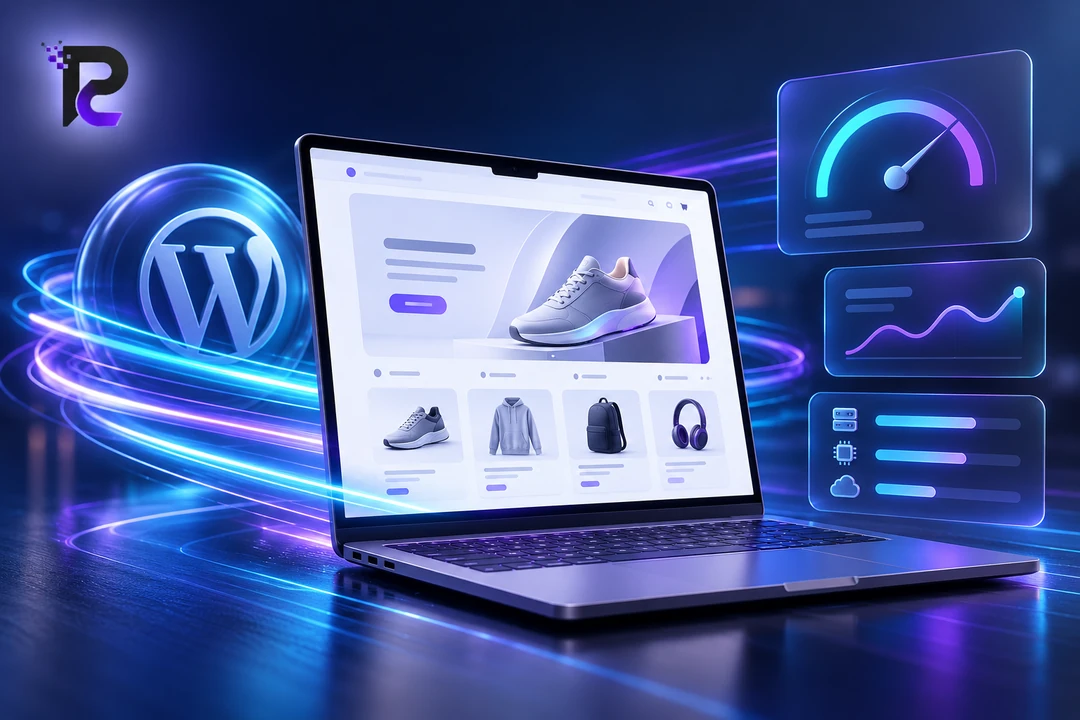
Figure 1: High-performance dashboard benchmarking website loading speed and Core Web Vitals scores in WordPress.
1. The Core Web Vitals Crisis: LCP, INP, and CLS Explained
Google’s Core Web Vitals are no longer theoretical ranking signals; they are strict technical thresholds that determine search visibility and user retention. To effectively fix core web vitals wordpress bottlenecks, technical leaders must dissect the three primary user-centric metrics:
- Largest Contentful Paint (LCP): Measures perceived loading velocity. LCP marks the render time of the largest visual block (usually hero images, banners, or primary H1 headings). Google mandates an LCP threshold under 2.5 seconds, though enterprise e-commerce standards target under 1.2 seconds.
- Interaction to Next Paint (INP): Replacing First Input Delay (FID), INP evaluates overall page responsiveness by measuring the latency of every click, tap, and keypress. Heavy JavaScript execution loops and unoptimized DOM trees frequently drag INP into the red zone (>200ms).
- Cumulative Layout Shift (CLS): Quantifies visual stability during page render. Any unexpected shift in elements—such as unstyled banner fonts, ad slots without fixed dimension reservations, or lazy-loaded widgets—shatters consumer trust and penalizes SEO. The ideal CLS score must remain strictly below 0.1.
Figure 2: Real-time Chrome DevTools performance breakdown illustrating sub-second LCP and zero CLS.
2. How UI/UX Design Directly Impacts E-Commerce Speed and Conversions
A common misconception in web design is treating speed optimization and visual luxury as opposing forces. World-class ui ux design for ecommerce website environments blends visual elegance with clean, lightweight semantic DOM architecture. When design systems prioritize clean hierarchy, customers navigate effortlessly from discovery to payment gateway completion.
Modern consumer behavior demands predictive interfaces. Implementing sticky ‘Add to Cart’ buttons, instant product image swatches without page reloads, and progressive one-page checkout flows drastically eliminates cognitive fatigue. According to benchmark studies by Baymard Institute, over 69.8% of online shopping carts are abandoned due to complex checkout UX and slow load times.
To explore bespoke e-commerce store architectures and conversion-focused customer journeys, review our dedicated E-Commerce Solutions engineering service.
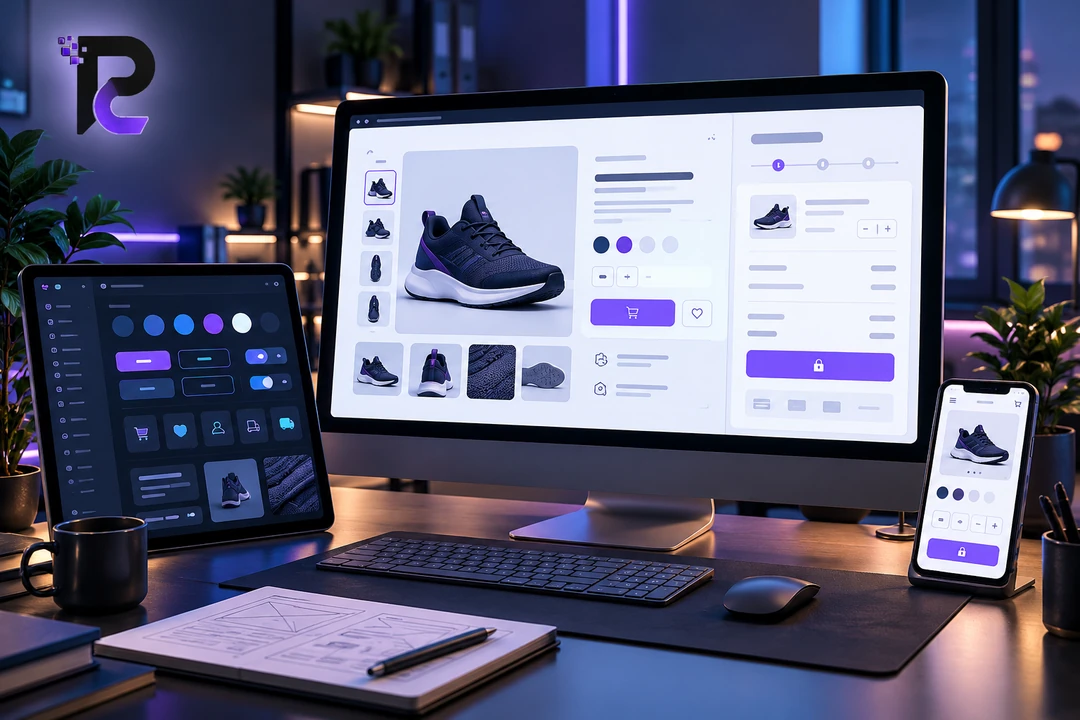
Figure 3: Modern UI/UX wireframing for an ultra-fast, frictionless e-commerce product browsing and checkout flow.
3. Step-by-Step Server and Asset Optimization to Improve WordPress Speed
To systematically improve website loading speed wordpress installations, technical teams must optimize the full technical stack—from server hardware down to individual CSS bundles. Below is the battle-tested engineering blueprint utilized at PixelsCraft:
A. High-Speed LiteSpeed Server & Redis Object Caching
Standard Apache servers struggle under dynamic WooCommerce concurrency. Upgrading to an enterprise LiteSpeed Web Server with native LSCache and persistent in-memory Redis Object Cache reduces Time to First Byte (TTFB) from 800ms down to sub-80ms. Redis stores complex SQL database queries in RAM, ensuring repeated product lookups bypass slow MySQL disk reads entirely.
B. Next-Gen WebP and AVIF Image Compression
Unoptimized JPEG and PNG assets account for over 65% of overall page weight. Converting assets to modern WebP or AVIF formats slashes payload sizes by 75% to 85% with zero perceptible loss in visual fidelity. Furthermore, defining explicit width and height attributes on all <img> tags eliminates browser reflow, instantly solving CLS penalties.
C. Critical CSS Extraction & Deferred JavaScript Loading
Render-blocking resources choke the browser’s main thread. By extracting above-the-fold Critical CSS directly into the document <head> and deferring non-essential scripts (such as analytics, heatmaps, and third-party chat widgets), first paints render in milliseconds while background scripts load passively.
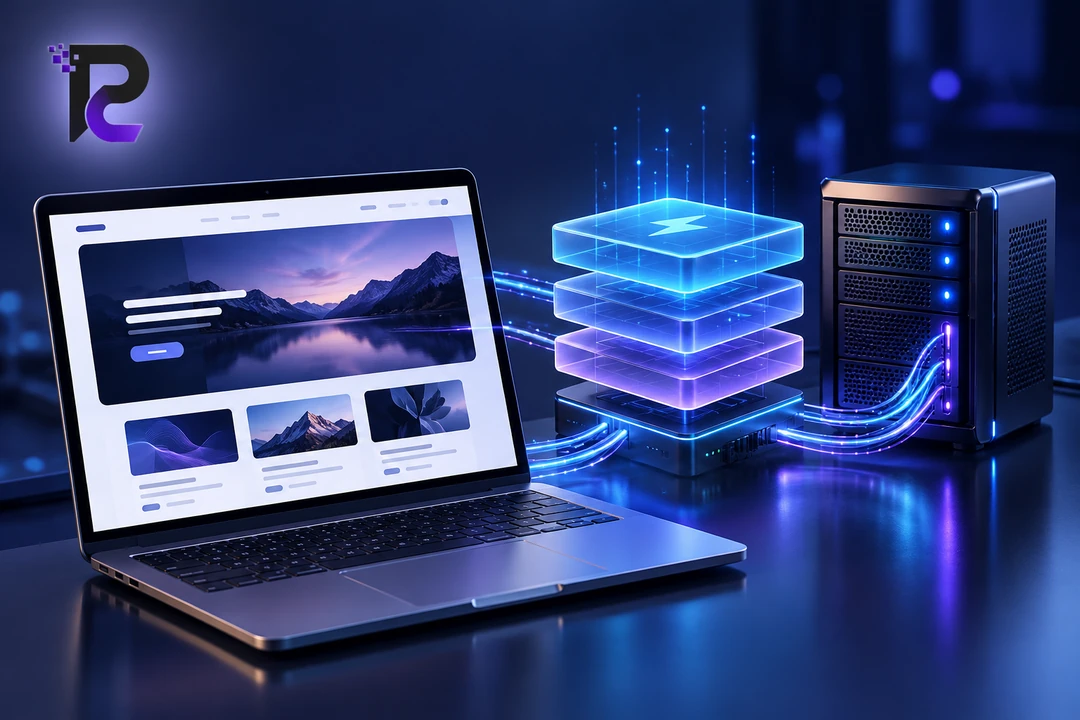
Figure 4: LiteSpeed Server Caching architecture delivering sub-100ms TTFB and dynamic Redis object sync.
4. Mobile-First Website User Experience Optimization for High Conversion
Over 72% of global e-commerce traffic originates from mobile devices. However, mobile conversion rates consistently lag behind desktop due to cumbersome navigation and latency on cellular 4G/5G connections. Comprehensive website user experience optimization bridges this divide by enforcing strict mobile-first engineering standards:
- Thumb-Zone Ergonomics: Essential interactive elements—including filters, search triggers, and checkout CTAs—must reside comfortably within the lower 60% of the screen.
- Fluid Typography and Scalable Micro-interactions: Utilizing modern CSS
clamp()functions guarantees typography remains legible across 360px budget devices up to 430px flagship screens without awkward line wraps. - Express Payment Integration: Incorporating 1-tap digital wallets (Apple Pay, Google Pay, PayPal) eliminates tedious manual address forms, slashing mobile checkout friction by over 40%.
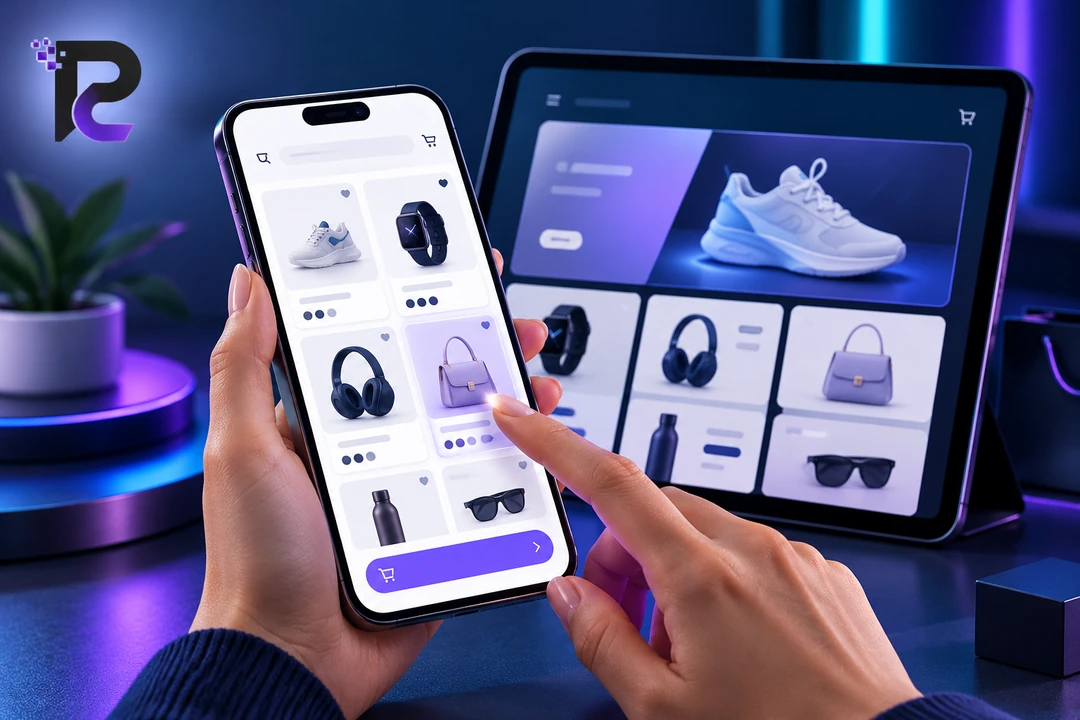
Figure 5: High-converting mobile UI/UX checkout funnel showcasing sticky CTAs and seamless 1-tap express payments.
5. Comprehensive Optimization Checklist for WordPress & E-Commerce
Before pushing code changes to production, review this essential technical performance checklist:
Checklist: Speed, UX & Core Web Vitals
✔ Audit Database Bloat: Clean expired transients, post revisions, and orphaned metadata tables.
✔ Audit Plugin Footprint: Eliminate heavy visual page builders or redundant slider libraries; replace bloated widgets with native semantic HTML.
✔ Implement CDN Edge Caching: Route global traffic through Cloudflare or QUIC.cloud to serve static assets from edge locations nearest to the customer.
✔ Validate Semantic Accessibility: Ensure all interactive buttons maintain valid ARIA labels and minimum 44x44px touch targets.
✔ Conduct Real User Monitoring (RUM): Track field data through Google Search Console to verify Core Web Vitals pass across 75th percentile visitor sessions.
For businesses seeking complete architectural redesigns or custom headless solutions that eliminate theme bloat entirely, explore our specialized Web Design & Development agency capabilities or review our detailed Custom Ecommerce Development Playbook.
Frequently Asked Questions (FAQ)
How do I improve website loading speed wordpress without breaking site design?
The safest approach is isolating asset optimization: enable server-level LiteSpeed caching, convert images to WebP formats, defer non-critical JavaScript, and utilize a staging environment before combining CSS files to prevent styling breaks.
What is the single most effective way to fix core web vitals wordpress for e-commerce?
Fixing LCP requires preloading your primary hero banner image using <link rel=”preload” as=”image”>, serving it via WebP/AVIF from a CDN, and eliminating render-blocking CSS fonts so above-the-fold content paints instantly.
Why is website user experience optimization critical for conversion rates?
Every 100ms decrease in page load latency correlates with an average 1.1% increase in conversion rates. Superior UI/UX builds consumer trust, streamlines the checkout funnel, and drastically lowers cart abandonment.
Ready to Transform Your E-Commerce Speed & UI/UX?
Partner with PixelsCraft Agency to build custom, lightning-fast WordPress and WooCommerce solutions engineered for measurable ROI.